The Ten Gods in BaZi: A Beginner's Guide to 十神
If you have ever opened a BaZi chart and seen labels like "Direct Wealth," "Seven Killings," or "Hurting Officer" floating above the stems, you have already met the Ten Gods (十神). They are the relational vocabulary of Chinese astrology — the way the system tags every other element in your chart relative to one anchor: you.
Think of the Ten Gods like a relationship graph database. Your Day Master is the root node, and every other Heavenly Stem and Earthly Branch in your chart is annotated by its relational tie back to you. Change the root node, and every edge label changes with it. That is why two people can have the same stem — say, Geng Metal — sitting in their year pillar, and yet that stem means radically different things to each of them. The label depends entirely on who is reading.
This article is a beginner's tour. We will walk through what the Ten Gods are, how the system calculates them from your Day Master's element and polarity, and what each of the ten labels tends to indicate at a high level. By the end, you should be able to open your own chart and start reading the relational map for yourself.
:::bazi-callout Quick Take: Your Day Master determines who the Ten Gods are. Yi Wood's "Direct Wealth" is different from Geng Metal's "Direct Wealth" because the Day Master pivot changes. The Ten Gods are not fixed traits of stems — they are relationships measured from you. :::
What Are the Ten Gods in BaZi?
The Ten Gods are ten relational labels that BaZi assigns to every Heavenly Stem (and, by extension, to the hidden stems inside Earthly Branches) based on two variables: the Five Element relationship to your Day Master, and the polarity match (yin or yang). With five element relationships and two polarity options, you get exactly ten possible labels — hence the name.
In modern terms, you can think of the Ten Gods as a typed edge in a graph. Each stem in your chart is a node, your Day Master is the root, and the edge connecting them carries one of ten possible type annotations. Those annotations cluster into five thematic groups:
- Self group — same element as your Day Master (Friend, Rob Wealth)
- Output group — the element your Day Master generates (Eating God, Hurting Officer)
- Wealth group — the element your Day Master controls (Direct Wealth, Indirect Wealth)
- Officer group — the element that controls your Day Master (Direct Officer, Seven Killings)
- Resource group — the element that generates your Day Master (Direct Resource, Indirect Resource)
Each group has two members: one with the same polarity as the Day Master, and one with the opposite polarity. That polarity distinction is what separates, for example, Direct Wealth from Indirect Wealth, or Direct Officer from Seven Killings. Same-polarity tends to feel more intense and unfiltered; opposite-polarity tends to feel more balanced and easier to integrate. We'll see why in a moment.
For a deeper structural dive, the BaZi system is well documented on Wikipedia's Four Pillars of Destiny entry, and our full course on the topic lives at the Ten Gods series.
How the Ten Gods Are Calculated from Your Day Master
The calculation rule is simple enough to write as pseudocode. Given your Day Master's element DM_E and polarity DM_P, and another stem's element S_E and polarity S_P:
- Compare elements: is
S_Ethe same asDM_E, generated byDM_E, controlled byDM_E, controllingDM_E, or generatingDM_E? - Compare polarities: do
S_PandDM_Pmatch (both yang or both yin), or differ? - Look up the label in the 5×2 grid.
:::bazi-element The Five Element generation cycle (Wood → Fire → Earth → Metal → Water → Wood) and the control cycle (Wood controls Earth, Earth controls Water, Water controls Fire, Fire controls Metal, Metal controls Wood) drive everything. The Ten Gods are just these two cycles, doubled by polarity. :::
Let's make this concrete. Suppose your Day Master is Yi Wood (乙) — that's yin Wood. Now consider another stem in your chart, Wu Earth (戊) — yang Earth.
- Element relationship: Wood controls Earth, so Earth is in the Wealth group relative to Yi Wood.
- Polarity: Yi is yin, Wu is yang — opposite polarity.
- Label: opposite-polarity Wealth = Direct Wealth (正财).
Now take Ji Earth (己) — yin Earth — for the same Yi Wood Day Master.
- Element relationship: still Wealth group (Wood controls Earth).
- Polarity: Yi is yin, Ji is yin — same polarity.
- Label: same-polarity Wealth = Indirect Wealth (偏财).
The same stems, viewed from a different Day Master, would carry entirely different labels. If you want to see how the underlying Heavenly Stems work in detail, the Heavenly Stems series is a good prerequisite. And if you'd like the system to do this math for you, just generate a free natal chart and the Ten Gods will be labeled automatically on every pillar.
The Self Group: Friend (比肩) and Rob Wealth (劫财)

The Self group covers stems that share your Day Master's element. They are, in a sense, you again — reflections of your own elemental nature appearing elsewhere in the chart.
Friend (比肩) is same element, same polarity. If you are Jia Wood (yang Wood), another Jia Wood stem in your chart is a Friend. Friend energy tends to indicate companionship, peer relationships, siblings, business partners on equal footing, and an inner sense of self-reliance. People with strong Friend stars often present as steady, independent, and team-oriented — though too much can suggest a stubbornness that resists outside input.
Rob Wealth (劫财) is same element, opposite polarity. For Jia Wood, that's Yi Wood. The name sounds dramatic, and there's a reason: this energy historically suggests competition, rivalry, or shared resources that may not feel fair. In modern readings, Rob Wealth is often softened to indicate ambitious peers, entrepreneurial drive, or the kind of friend who pushes you to perform. It is not inherently bad — but it does suggest patterns around competition and resource-sharing that are worth noticing.
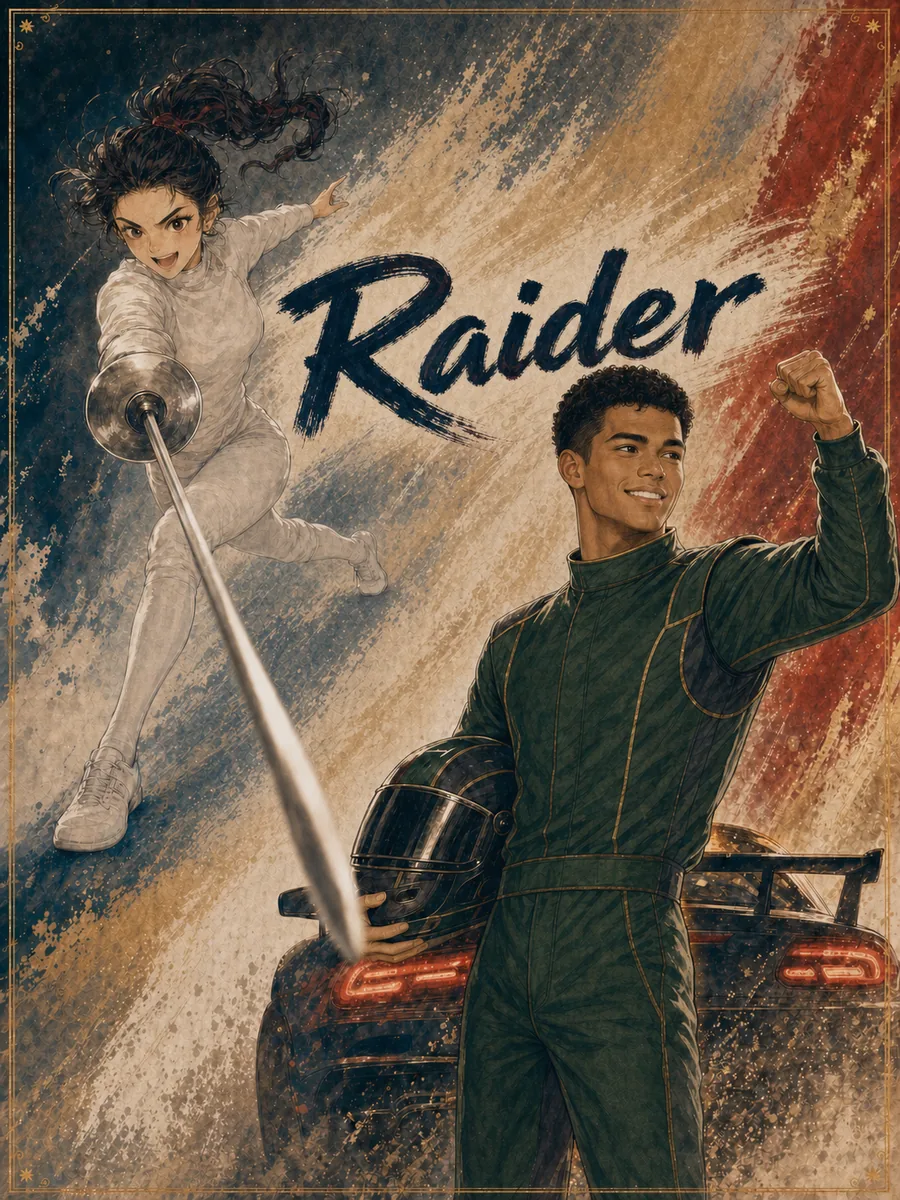
Together, the Self group tends to describe your relationship with people who are like you — and, by extension, with your own sense of identity.
The Output Group: Eating God (食神) and Hurting Officer (伤官)
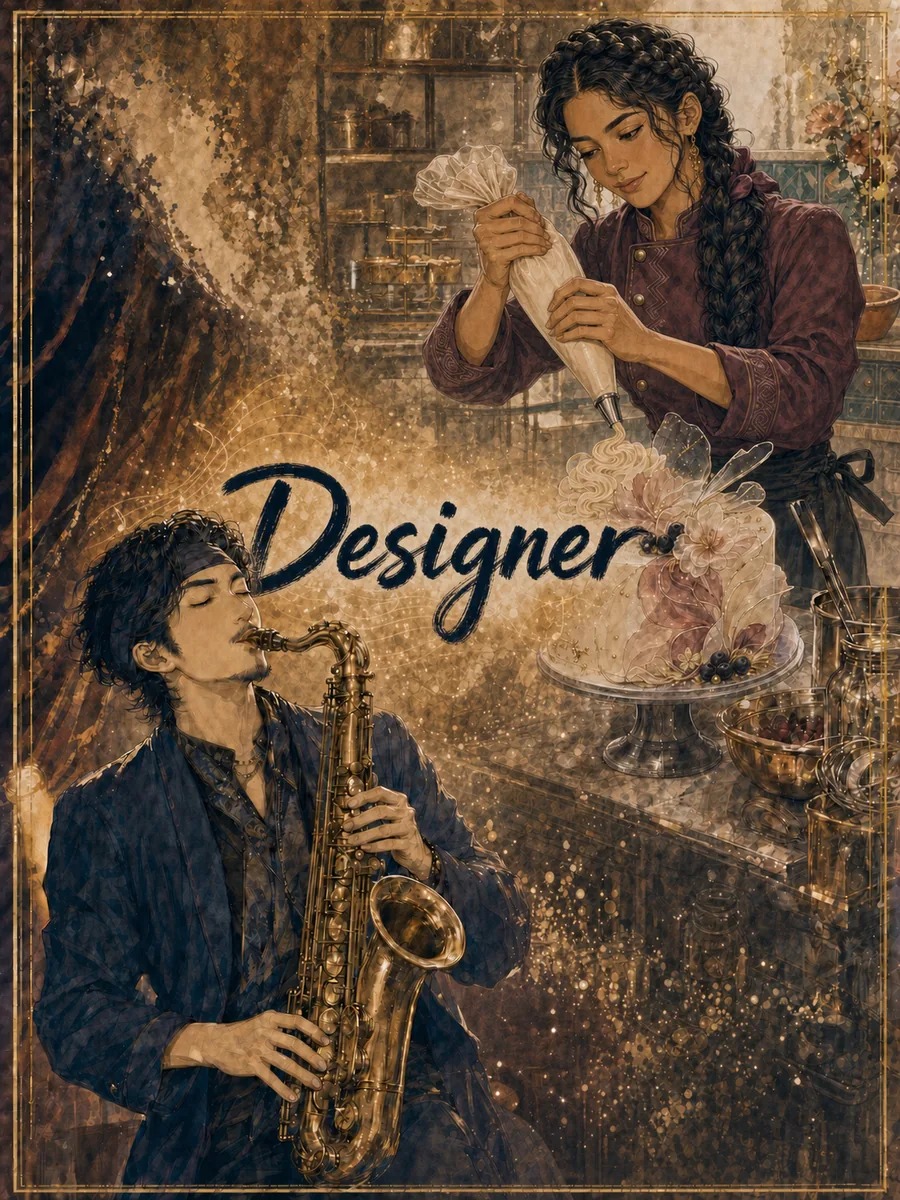
The Output group is the element your Day Master generates. Wood generates Fire, so for any Wood Day Master, Fire stems are Output. This is the energy of expression — what flows outward from you into the world.
Eating God (食神) is same polarity. For Jia Wood (yang), Bing Fire (yang) is the Eating God. The vibe is creative, generous, sensual, and gentle — think of someone who loves cooking for friends, telling stories, gardening, or making art for its own sake. Eating God energy indicates patterns of self-expression that feel nourishing rather than performative.
Hurting Officer (伤官) is opposite polarity. For Jia Wood, Ding Fire (yin) is the Hurting Officer. The name is misleading in English — "Hurting Officer" sounds harsh, but the original 伤官 simply means "something that challenges authority." This star tends to indicate intelligence, sharp wit, talent, and a willingness to break rules. Many creative geniuses and reformers have strong Hurting Officer charts. The shadow side suggests impatience with structure or authority figures.
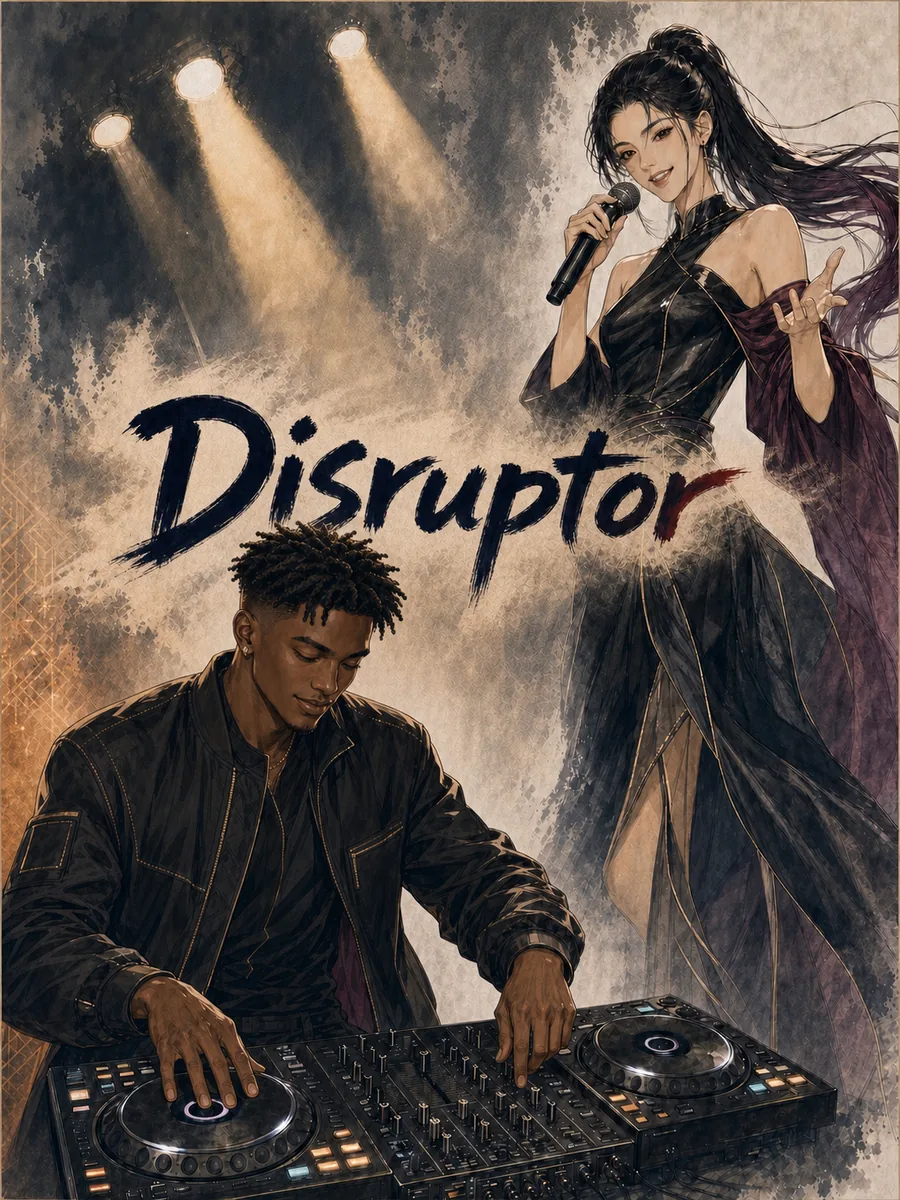
The two together describe how you create, express, and put work into the world — and the difference between Eating God and Hurting Officer is roughly the difference between flow and fire.
The Wealth Group: Direct (正财) and Indirect (偏财)

The Wealth group is the element your Day Master controls. Wood controls Earth, so for any Wood Day Master, Earth stems are Wealth. Despite the literal translation, "Wealth" in BaZi is broader than just money — it covers anything you can deliberately manage, deploy, or possess: resources, projects, and (traditionally) a wife for a male chart.
Direct Wealth (正财) is opposite polarity. This star tends to indicate steady, earned income — the salary, the long-term partnership, the asset you've stewarded carefully. It suggests patterns of reliability, planning, and conventional commitment. People with prominent Direct Wealth often present as practical and financially grounded.
Indirect Wealth (偏财) is same polarity. This is the entrepreneurial, opportunistic flavor of wealth — windfall income, investment returns, side businesses, and (in some classical texts) extramarital relationships. It indicates patterns of risk tolerance, social fluency, and an instinct for unconventional opportunity. Strong Indirect Wealth in a chart often correlates with a flair for deal-making.
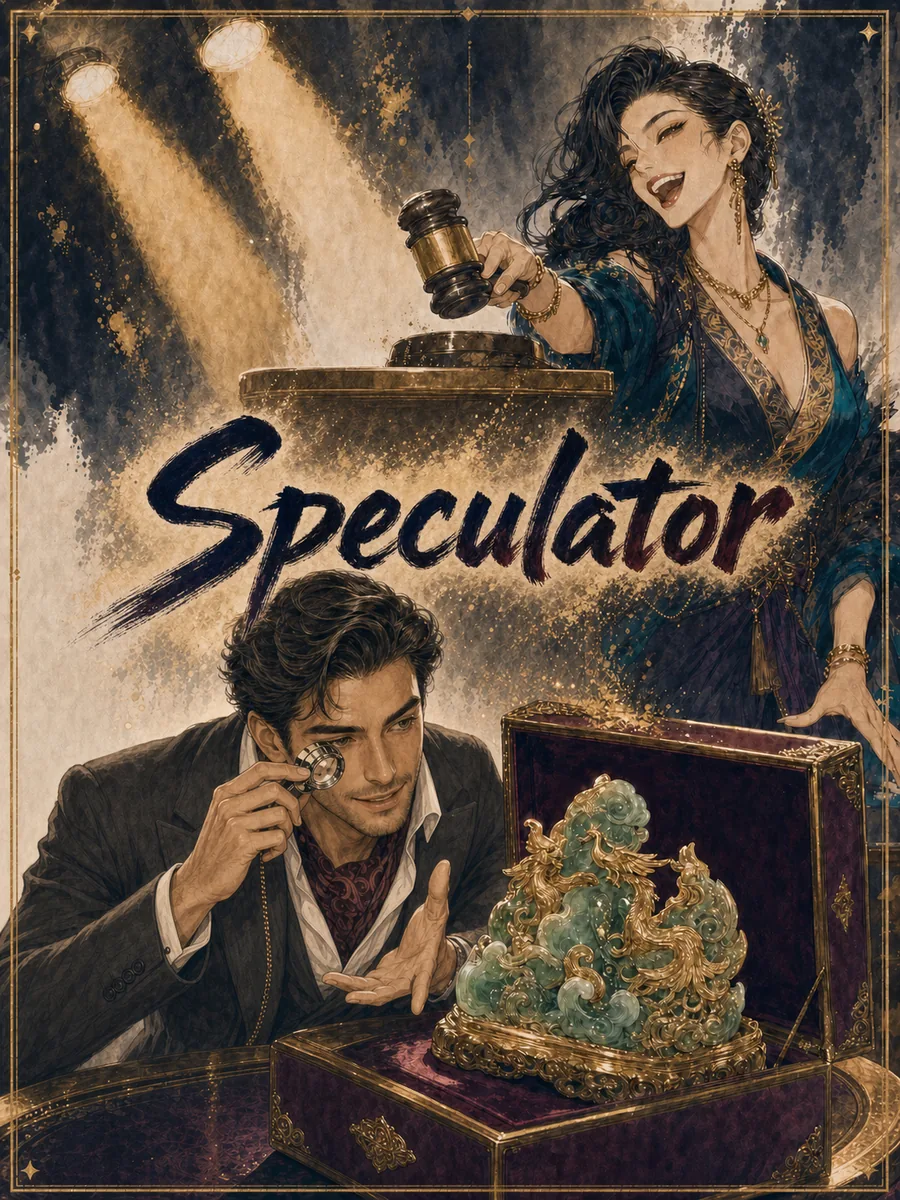
Both flavors are valuable. Most healthy charts have some combination, and the dynamic between Direct and Indirect Wealth often reveals how someone naturally relates to money, possessions, and material commitments.
The Officer Group: Direct Officer (正官) and Seven Killings (七杀)
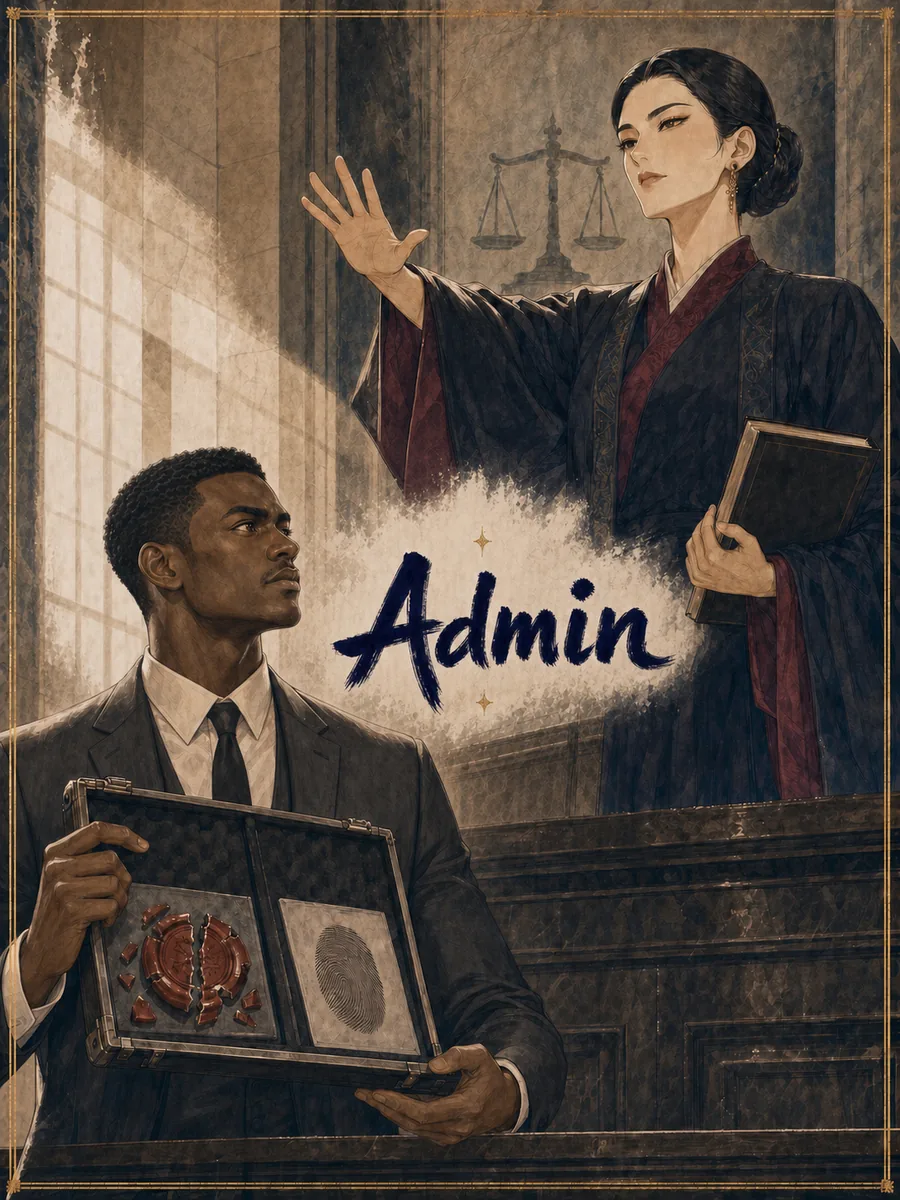
The Officer group is the element that controls your Day Master — the energy that acts on you rather than energy you act on. For a Wood Day Master, Metal controls Wood, so Metal stems are Officer stars. This is the energy of structure, authority, discipline, and pressure.
Direct Officer (正官) is opposite polarity. It tends to indicate constructive authority — fair bosses, legitimate institutions, healthy rules, and (in a female chart traditionally) a stable husband. People with prominent Direct Officer often present as principled, responsible, and good at operating within systems.
Seven Killings (七杀) is same polarity. The name is intense for a reason — same-polarity control is unfiltered pressure. This star tends to indicate raw drive, military-style discipline, willingness to fight, and tolerance for adversity. With good supporting stars in the chart, Seven Killings indicates a powerful executor — generals, surgeons, top athletes. Without support, it can suggest patterns of self-imposed pressure or conflict.
The Officer group describes how you respond to authority, structure, and constraint — and whether you tend to thrive inside systems or push against them.
The Resource Group: Direct (正印) and Indirect (偏印)

The Resource group is the element that generates your Day Master — the energy that feeds you. Water generates Wood, so for a Wood Day Master, Water stems are Resource. This is the energy of learning, mentorship, parental support, and inner nourishment.
Direct Resource (正印) is opposite polarity. It tends to indicate traditional education, formal credentials, supportive mothers (in classical readings), and steady intellectual growth. People with prominent Direct Resource often present as thoughtful, well-read, and emotionally stable. They tend to trust the institutions and lineages that taught them.
Indirect Resource (偏印) is same polarity. Sometimes called the "Owl God," this star indicates unconventional learning — self-taught skills, esoteric interests, alternative therapies, and intuitive intelligence. It can also suggest a more anxious or restless inner world. Many researchers, mystics, and specialists in niche fields have strong Indirect Resource charts.
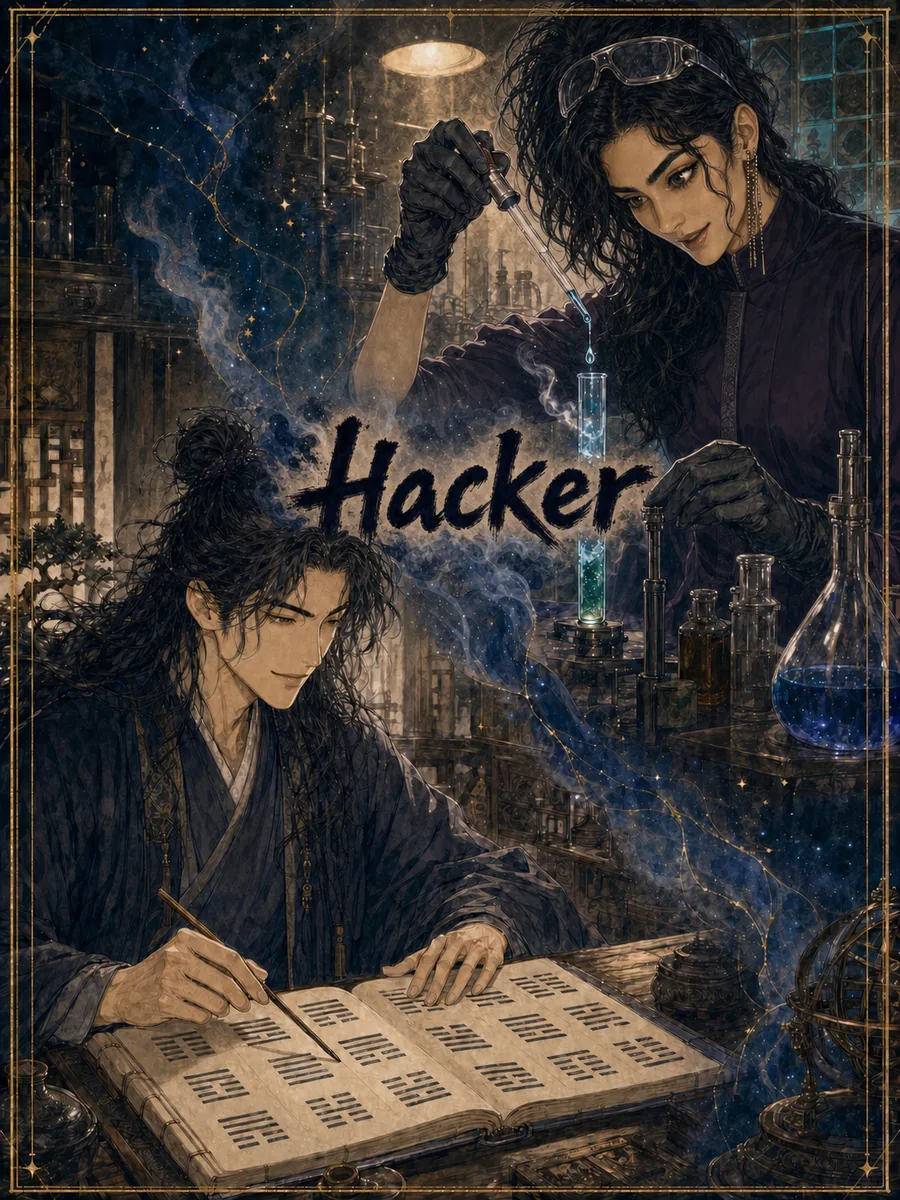
Resource stars describe how you absorb knowledge, what nourishes your inner life, and your relationship with mentors and tradition.
How to Read the Ten Gods on Your Own Chart
Reading your own chart starts with one question: who is the Day Master? That's the stem on the day pillar — the second character from the right in a standard four-pillar layout. Once you know the Day Master, every other stem in the chart can be labeled with one of the ten labels above.
:::bazi-chart Your chart has four pillars (Year, Month, Day, Hour), and each pillar has a Heavenly Stem on top and an Earthly Branch on the bottom. The Day Stem is your Day Master. Every other stem — and the hidden stems inside the branches — gets a Ten Gods label relative to that Day Master. :::
Here's a practical reading workflow:
- Identify your Day Master and note its element and polarity.
- Label every other stem with its Ten Gods name. Most chart calculators will do this automatically.
- Look at position. A Ten God in the month pillar tends to indicate career and social identity; in the day pillar branch, it indicates the spouse palace; in the hour pillar, children and late-life themes; in the year pillar, family-of-origin influences.
- Notice which gods are missing. Absent Ten Gods often indicate themes you don't naturally engage with — sometimes a strength, sometimes a blind spot.
- Look at supporting and conflicting elements. Ten Gods don't operate in isolation; a Seven Killings without Resource backing has a different flavor than one supported by strong Direct Resource.
If you're brand-new and want to ground all of this in a single concrete example, our walkthrough on Wood Day Master personality (Jia and Yi) shows how the Ten Gods read out for a specific Day Master. For broader context on how this system differs from Chinese zodiac, see our piece on the Chinese zodiac vs. BaZi Day Master.
:::bazi-cycle The Ten Gods form a cycle: Self → Output → Wealth → Officer → Resource → Self. Energy flows around this loop, and each stage transforms what came before. A chart with strong Output and weak Wealth, for example, indicates patterns of creating but not collecting; a chart with strong Officer and weak Resource indicates patterns of pressure without replenishment. :::
Frequently Asked Questions
Why are there ten gods if there are only five elements?
Because each of the five element relationships (same, generated, controlled, controlling, generating) is split into two by polarity (yang-yang/yin-yin match versus yang-yin/yin-yang opposite). Five relationships × two polarity outcomes = ten labels. The polarity split captures a meaningful tonal difference: same-polarity tends to feel unfiltered and intense, while opposite-polarity tends to feel balanced and easier to integrate.
Can the same stem be a different Ten God for different people?
Yes — and this is the whole point of the system. The Ten Gods are relational, not absolute. Bing Fire is the Eating God for a Jia Wood Day Master, but it's the Seven Killings for a Geng Metal Day Master, and a Friend for another Bing Fire Day Master. The label depends entirely on the root node.
Are the names like "Seven Killings" and "Rob Wealth" literally bad?
No. The names are inherited from classical Chinese terminology where the original metaphor was social and political — courts, officials, generals, wealth, rivals. In modern readings, these stars indicate patterns and flavors, not verdicts. A strong Seven Killings with good support tends to suggest a powerful executor; a strong Rob Wealth suggests entrepreneurial energy. The names are descriptive, not deterministic — and BaZi as a system is descriptive in general, not deterministic about specific events.
Do I need to memorize all ten gods to read my chart?
Not at first. Most beginners get a lot of value just by learning the five groups (Self, Output, Wealth, Officer, Resource) and noticing which groups are prominent or absent in their chart. The polarity-based distinction within each group (Direct vs. Indirect Wealth, Eating God vs. Hurting Officer, etc.) becomes useful once you're comfortable with the broad strokes.
What if my chart has no stars from one of the groups?
This is common and not inherently a problem. A missing group often indicates a theme you don't naturally activate. For example, a chart with no visible Wealth stars might indicate patterns where material concerns don't drive behavior — which can be a strength in creative or contemplative work, but a blind spot in business contexts. Hidden stems inside the Earthly Branches often fill in some of these gaps, so it's worth looking at the full chart, not just the visible stems.
How is this different from Western astrology?
Western astrology centers on the position of celestial bodies at your birth and uses a twelve-sign zodiac plus planetary aspects. BaZi centers on the cyclical Heavenly Stems and Earthly Branches of the Chinese calendar, anchored to your Day Master, and uses the Five Elements and Ten Gods as its core analytical vocabulary. Both systems describe patterns and tendencies — neither is meant to be deterministic — but their machinery is quite different. The Ten Gods specifically have no direct Western analog; the closest comparison is the relational lens of synastry, where one chart is read against another.
Where should I go next to learn more?
The full Ten Gods course series walks through each god in depth, including how supporting stars and conflicting elements modify their expression. If you'd rather start by generating your own chart and seeing the Ten Gods labeled in place, the free chart tool is the fastest path. Two of the ten deserve early attention because they carry the most practical weight: the wealth stars and the authority stars, covered in wealth and power stars in BaZi. Once you're comfortable with the Ten Gods, the natural next layer is useful god (用神) — the analytical step where the system suggests which gods are most supportive for your specific chart's balance.